In the evolving landscape of renewable energy, solar electricity stands out as a beacon of hope for a sustainable future. Dr. Emily Carter, a leading expert in solar energy technology, emphasizes the necessity of innovation. She stated, "The future of solar electricity relies on harnessing new materials and smart technologies." This insight resonates as we explore the trends shaping 2026.
The global shift towards solar electricity is not just about sustainability; it’s about pragmatism. Many companies are investing heavily in solar technology. However, the challenge remains in scaling these innovations to meet increasing demands. Benefits are clear, yet the path forward is riddled with obstacles.
As we look at the upcoming trends, critical questions arise. Are we ready to adapt to rapid advancements? Will changes in policy support this growth? The quest for efficiency and accessibility continues, urging us to reflect on our progress and commitment to a cleaner world.

The future of electricity generation is bright, with solar technologies leading the way. Innovative panels now capture sunlight more efficiently than ever. Some researchers are focusing on perovskite solar cells. These have the potential to reduce production costs significantly. This could make solar energy accessible to more people.
Tips: Track local incentives for solar energy adoption. These programs can significantly lower setup costs. Research shows communities benefit from shared solar solutions too.
Emerging technologies, like solar skins, enable more personalized solar solutions. Homeowners can choose designs that blend with their roofs. This not only enhances aesthetics but also boosts energy output. Yet, not all solutions work perfectly for every environment. It's essential to assess your location's sunlight exposure realistically.
Tips: Conduct a shade analysis before installing solar panels. Some areas may not receive enough sunlight year-round. Keep in mind, not every technology will suit every need. Adjustments may be necessary. Embrace the journey of finding the best fit.
The landscape of solar panel design is rapidly evolving. Innovations focus on improving efficiency and sustainability. Many designs now feature lightweight materials. These panels can capture more sunlight, boosting energy output. Some panels even incorporate transparent components. This approach blends with architecture seamlessly.
Recycling plays a crucial role in sustainability. As advancements arise, old panels will need proper disposal methods. This raises questions about long-term environmental impacts. Moreover, blackouts in production can affect supply chains. Society must consider how to balance innovation with responsibility.
Increased efficiency means using less land for more energy. Thin-film technologies are gaining traction here. These panels can be applied to various surfaces. Nonetheless, they face challenges in durability and lifespan. Addressing these issues is vital for widespread adoption. The journey towards a sustainable future is complex and requires ongoing reflection.
The future of solar energy hinges on effective energy storage solutions. As reliance on solar electricity grows, the need for robust systems to manage load fluctuations increases. Reports indicate that the global energy storage market is projected to reach $546 billion by 2035. However, challenges remain in achieving affordable, efficient systems that can consistently store renewable energy.
Grid stability is a critical concern as we integrate more solar energy. A study by the International Renewable Energy Agency highlights that proper storage can reduce blackouts and enhance energy reliability. Yet, many utilities struggle to implement these systems effectively. Current battery technologies, while advancing, still face issues like high costs and limited lifespan.
Moreover, the intermittent nature of solar energy complicates its use. During peak sunlight hours, excess energy often goes unused. This highlights the urgent need for innovative storage solutions. Some areas are investing in pumped hydro storage, but this also raises environmental concerns. Balancing growth with sustainability requires thoughtful approaches to energy management. Without addressing these hurdles, the path to a stable solar-powered grid may still be rocky.
The role of policy and regulation is crucial in boosting solar electricity adoption. Government incentives can motivate homeowners and businesses to invest in solar systems. Tax credits, rebates, and grants play a significant part in making solar energy more attractive. However, policies can vary widely from one region to another. This inconsistency can create confusion and uncertainty for potential investors.
Additionally, regulations can impose challenges. Zoning restrictions may limit where solar panels can be installed. Long approval processes can deter individuals and companies from making green energy investments. As the solar industry evolves, these hurdles must be addressed. Streamlined regulations could enable smoother transitions to renewable energy sources.
Moreover, while many regions are making progress, some still lag. This discrepancy can lead to frustrations among advocates for solar energy. Continuous improvements in policy frameworks are necessary. It is essential to encourage collaboration among stakeholders. Progress in solar adoption requires persistent efforts and critical evaluations of existing regulations. Each change can lead to more effective solutions for solar energy expansion.
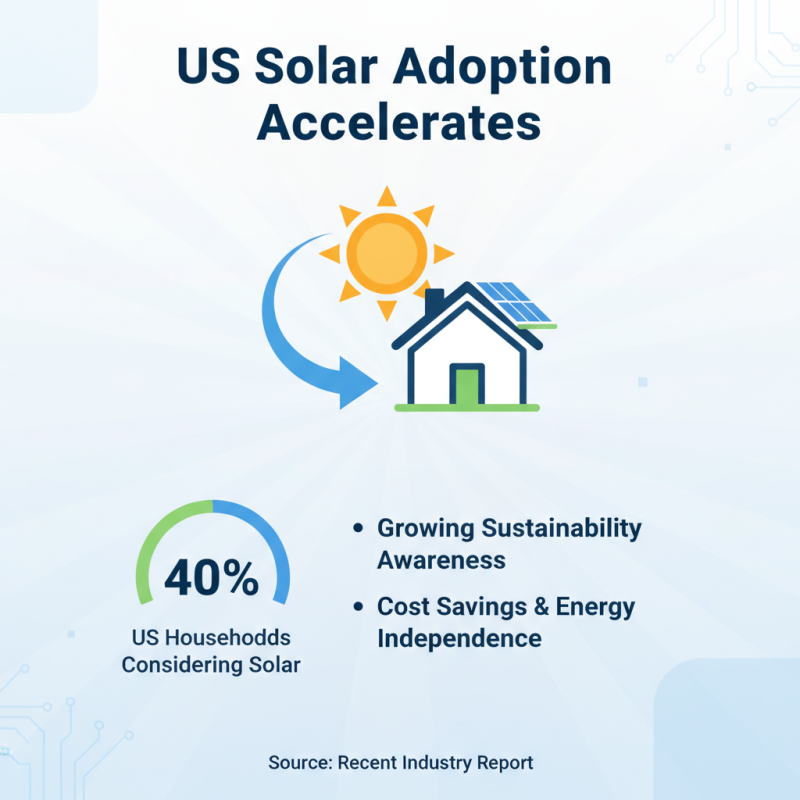
The shift towards solar electricity is accelerating. Homeowners are increasingly adopting solar solutions for various reasons. According to a recent report, nearly 40% of households in the U.S. are considering solar panels. This shift highlights a growing awareness of sustainability.
Many homeowners seek to cut energy costs. A typical solar system can reduce electricity bills by 50% or more. Yet, some feel overwhelmed by initial costs and installation procedures. Finding reliable information can be daunting. Tips for easing the adoption include researching local incentives and financing options. Communities may offer tax rebates or low-interest loans.
Another trend reveals the rise of community solar projects. These initiatives allow consumers to invest in solar power without rooftop installations. As of 2023, participation in community solar projects rose by 45%. However, limited availability in some regions may hinder growth. Understanding local options can enhance adoption rates.