Solar for my home represents a significant shift in how households source energy. Utilizing solar energy has become increasingly popular among homeowners. Many seek to lower electricity bills, reduce their carbon footprint, and increase property value. It is an attractive option for eco-conscious individuals.
Incorporating solar energy into your life is not without challenges. Homeowners might worry about the initial investment and lengthy installation processes. These concerns are valid and warrant careful consideration. However, the long-term benefits often outweigh these obstacles. Understanding how solar for my home can transform your energy costs is essential.
In essence, solar energy offers more than economic advantages. It fosters a sense of independence from traditional energy sources. Embracing solar technology may require a change in habits and mindset. Yet, the journey to a greener future can be rewarding and impactful. Adopting solar solutions can lead to positive changes in both personal and environmental contexts.
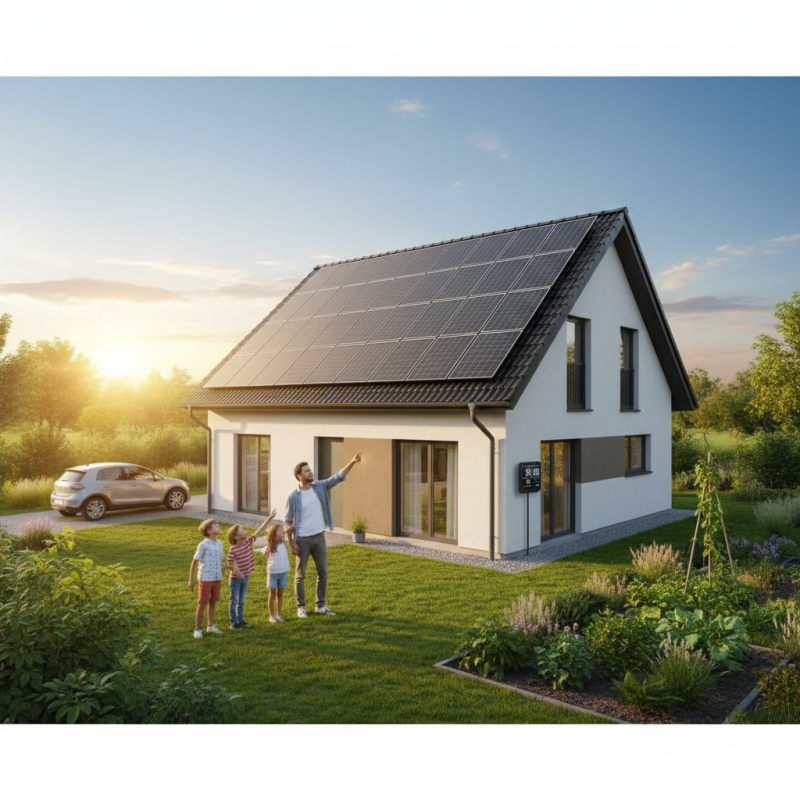
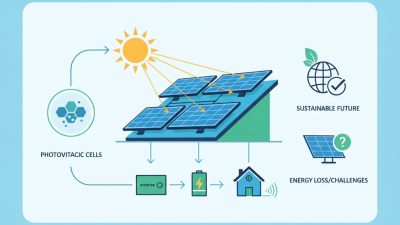
Solar energy is transforming how homeowners power their lives. Understanding the basics of solar energy starts with knowing how it works. Solar panels capture sunlight and convert it into electricity. This process is called photovoltaics. It's a clean and renewable source of energy that can greatly reduce monthly utility bills.
Many homeowners are eager to install solar systems, but the initial investment can be daunting. It’s essential to weigh long-term savings against upfront costs. Solar energy can increase property value, but sometimes the return on investment isn’t immediate. Additionally, local regulations and incentives vary widely, making thorough research necessary.
While the benefits of solar are clear, challenges exist. Homeowners may face issues like roof compatibility or shading from nearby trees. These factors can limit efficiency. It's vital to consult with professionals who possess experience and credentials in solar installations. Finding the right guidance can make a significant difference.
When considering solar energy for your home, it’s essential to understand the different types of solar systems available. Homeowners can choose between grid-tied, off-grid, and hybrid systems. According to the Solar Energy Industries Association (SEIA), over 90% of residential solar installations in the U.S. are grid-tied, which allows homes to use solar power while still being connected to the utility grid.
A grid-tied system is often more cost-effective. These systems allow homeowners to sell excess power back to the grid, creating potential savings. However, it relies heavily on the grid during outages.
Off-grid systems, on the other hand, provide complete independence from utility companies. They often require a larger initial investment and battery storage, which may deter some homeowners. Reports suggest that off-grid systems can provide significant long-term savings, but detailed planning and ongoing maintenance are crucial.
Hybrid systems combine battery storage with grid connection. This flexibility is attractive to many. However, the costs can be prohibitive. Data from the National Renewable Energy Laboratory (NREL) shows that while the upfront expense is high, hybrid systems can offer benefits in resilience and sustainability. Homeowners need to weigh the initial costs against potential savings and energy independence based on their unique circumstances.
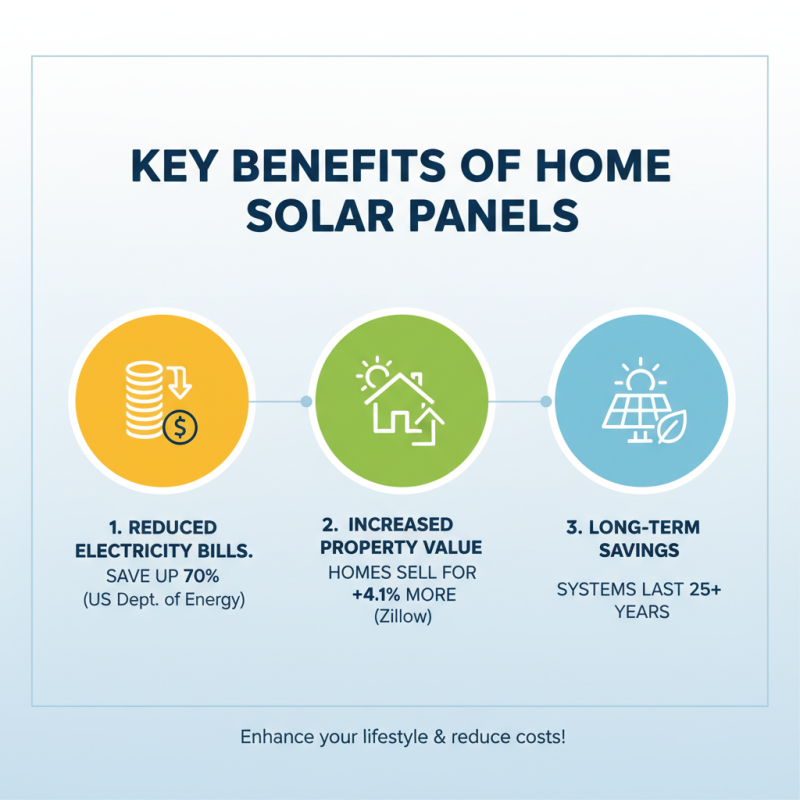
Installing solar panels at home offers numerous benefits that can significantly enhance your lifestyle and reduce costs. According to the U.S. Department of Energy, homeowners can save up to 70% on electricity bills by adopting solar energy. This translates into substantial financial savings over the years, given that solar panel systems can last 25 years or more. Additionally, many homeowners claim that they experience an increase in property value after installation. In a study conducted by Zillow, homes equipped with solar energy systems sold for about 4.1% more than comparable homes without solar.
Beyond financial aspects, solar energy contributes to a cleaner environment. Solar panels reduce reliance on fossil fuels, decreasing greenhouse gas emissions. The Environmental Protection Agency estimates that residential solar power leads to a significant decrease in carbon footprint. This shift towards renewable energy not only helps the planet but also promotes energy independence. However, some homeowners may struggle with the initial installation costs or maintenance challenges. Understanding the available incentives and financing options can help alleviate these concerns.
Furthermore, the efficiency of solar panels has improved remarkably. Recent technological advancements have doubled the energy output of solar panels within a decade. While this progress is encouraging, it's essential to assess whether local weather conditions will support solar energy production effectively. Some regions may experience limited sunlight, which could impact energy generation. By weighing these factors carefully, homeowners can make informed decisions about whether solar is the right choice for them.
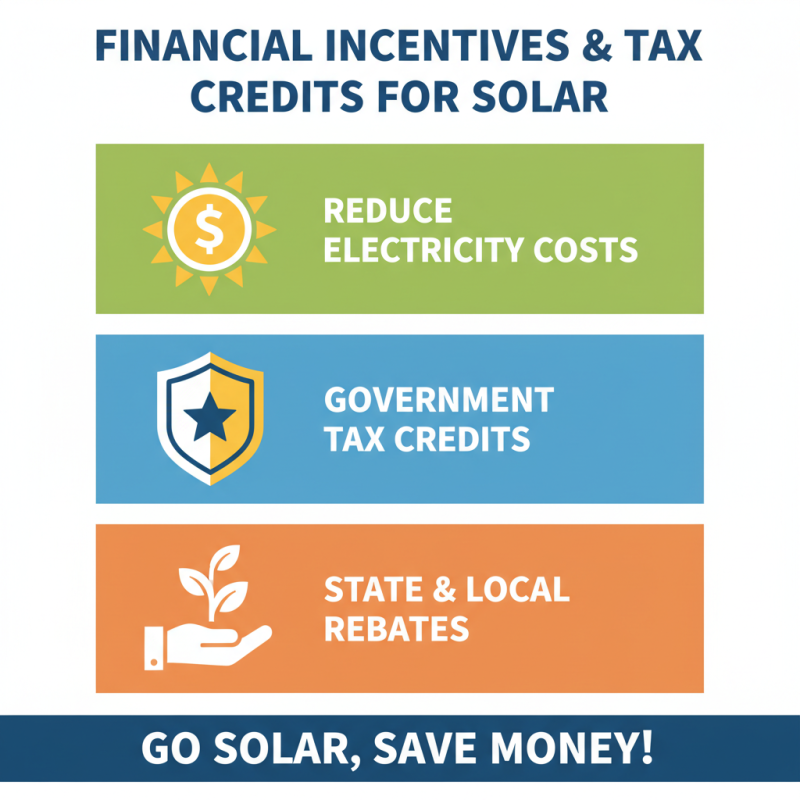
Solar energy can significantly reduce your home’s electricity costs. A crucial aspect of adopting solar is the financial incentives available. Governments often provide various tax credits and rebates to encourage solar adoption.
For instance, federal tax credits allow homeowners to deduct a percentage of their solar installation costs from their federal taxes. This can result in substantial savings. Local and state incentives may further enhance these benefits. Check your state’s solar programs for additional rebates.
Tips: Always assess your energy needs before investing in solar. Conduct a thorough cost-benefit analysis. Consulting a solar energy expert can clarify what works for you. You might also revisit your home’s energy usage habits. Small changes can complement your solar investment and lead to even more savings.
When considering solar energy for your home, maintenance plays a vital role in ensuring longevity. Solar panels are designed to last about 25 to 30 years, but their performance can decline if not properly maintained. Data from the National Renewable Energy Laboratory indicates that while solar systems can increase energy efficiency, neglect can reduce their output by up to 20% over time. Regular cleaning and inspections are crucial to keep systems operating efficiently.
Most homeowners may overlook routine maintenance. A simple wash can remove dust and debris, significantly improving performance. Reports suggest that settled dirt on panels may lead to a 10% efficiency loss. Moreover, wear and tear on inverters, which typically need replacement every 5 to 10 years, is often underestimated. Some homeowners think they can simply install the system and forget about it, but that leads to higher long-term costs and decreased energy savings.
Tracking and monitoring system performance is essential. Digital monitoring tools can help detect issues before they become serious. Scheduled maintenance checks by qualified technicians can prolong the lifespan of solar systems. Investing in professional service may seem costly upfront. However, it ultimately protects your initial investment and enhances your home’s energy resilience.
| Aspect | Details |
|---|---|
| Initial Cost | $15,000 - $30,000 average installation for residential systems |
| Maintenance Frequency | Every 6 to 12 months |
| Lifespan of Panels | 25 to 30 years |
| Efficiency Loss Over Time | Approximately 0.5% to 1% per year |
| Inverter Replacement | Every 5 to 10 years, costs around $1,000 to $3,000 |
| Environmental Benefits | Reduces carbon footprint, lowers greenhouse gas emissions |
| Energy Savings | Up to 70% reduction in electricity bills over time |
| Government Incentives | Tax credits, rebates, and other financial incentives available |